Academic staff
Faculty
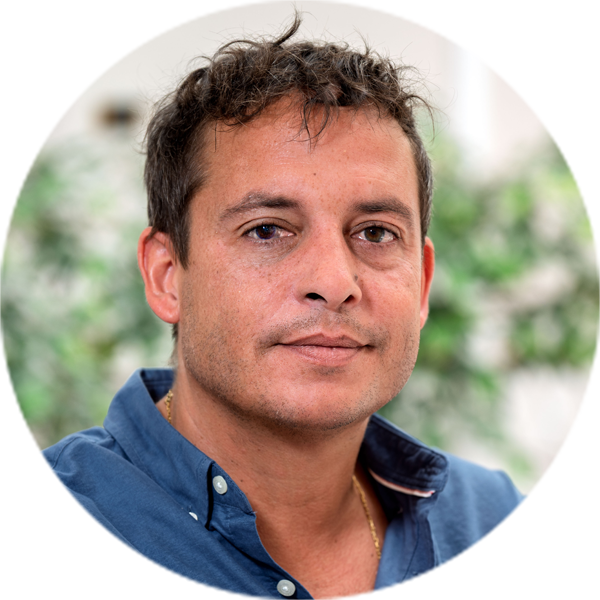
Dante Amengual
PhD in Economics, Princeton University
Associate Professor with Tenure
Fields: Time-series Econometrics, Financial Econometrics
Manuel Arellano
PhD in Economics, London School of Economics
Professor
Fields: Econometrics, Labor Economics

Dmitry Arkhangelsky
PhD in Business Administration, Stanford GSB
Associate Professor with Tenure
Fields: Microeconometrics, Applied Econometrics
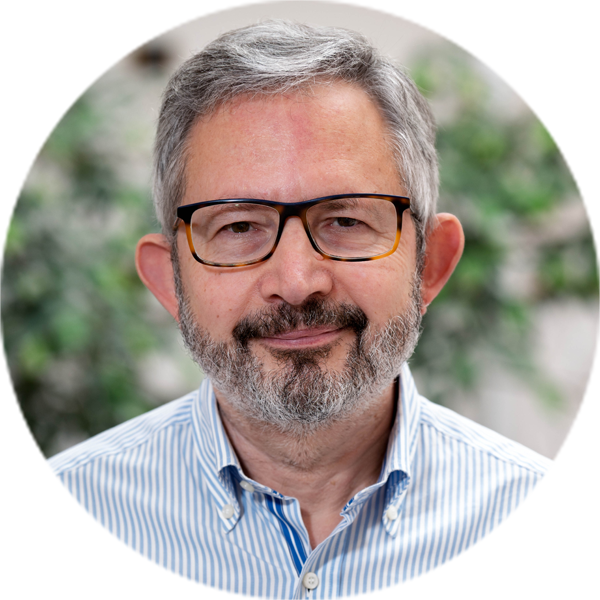
Samuel Bentolila
PhD in Economics, Massachusetts Institute of Technology
Professor
Fields: Labor Economics, Economics of Education

Giulia Buccione
PhD in Economics, Brown University
Assistant Professor
Starting in October 2025
Fields: Development Economics, Political Economy
Guillermo Caruana
PhD in Economics, Boston University
Associate Professor with Tenure
Fields: Microeconomic Theory, Industrial Organization

Susanna Esteban
PhD in Economics, University of Rochester
Associate Professor with Tenure
Fields: Industrial Organization, Applied Microeconomics
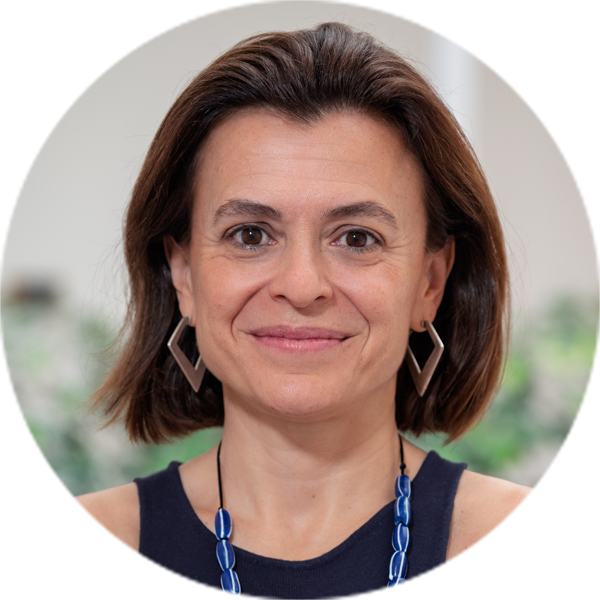
Natalia Fabra
PhD in Economics, European University Institute
Professor
Fields: Industrial Organization, Energy Economics
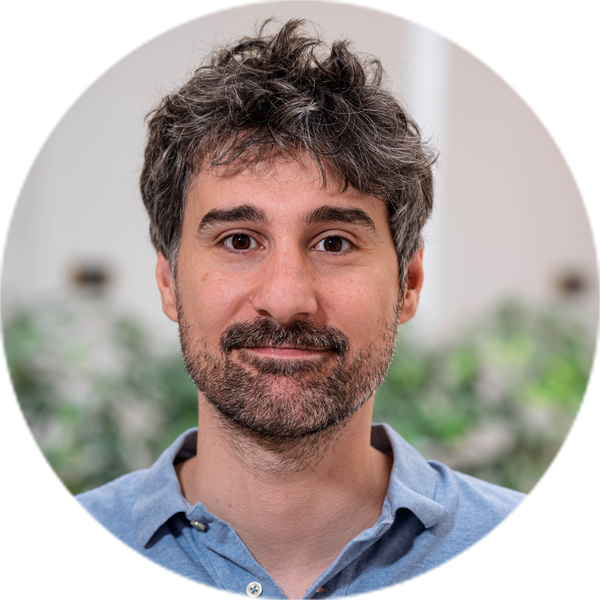
Sebastián Fanelli
PhD in Economics, Massachusetts Institute of Technology
Associate Professor
Fields: International Macroeconomics, Monetary Economics
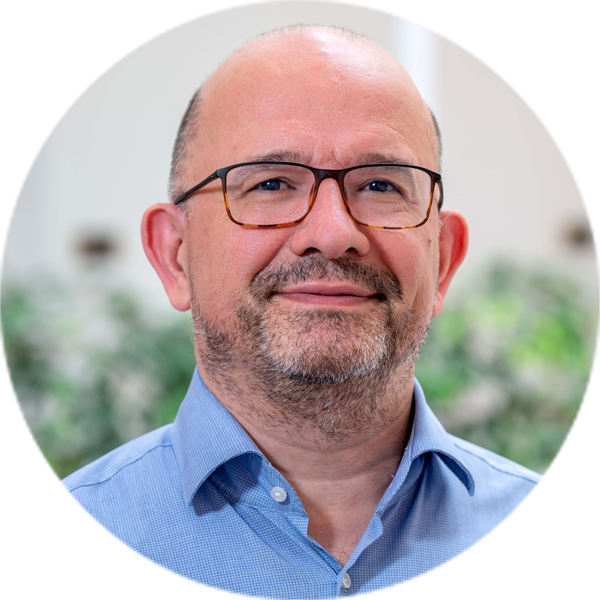
Nezih Guner
PhD in Economics, University of Rochester
Professor
Fields: Macroeconomics, Labor Economics

Federico Kochen
PhD in Economics, New York University
Associate Professor
Fields: Macroeconomics, Macro-Finance
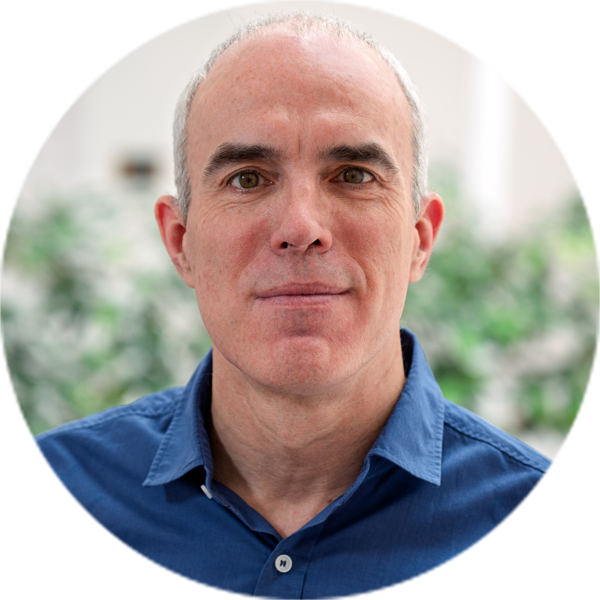
Gerard Llobet
PhD in Economics, University of Rochester
Associate Professor with Tenure
Fields: Industrial Organization, Competition Policy

Monica Martinez-Bravo
PhD in Economics, Massachusetts Institute of Technology
Professor
On Leave
Fields: Political Economy, Development Economics
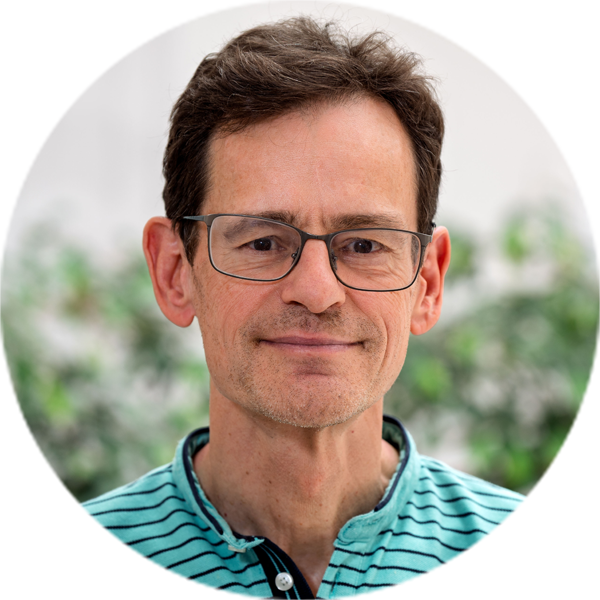


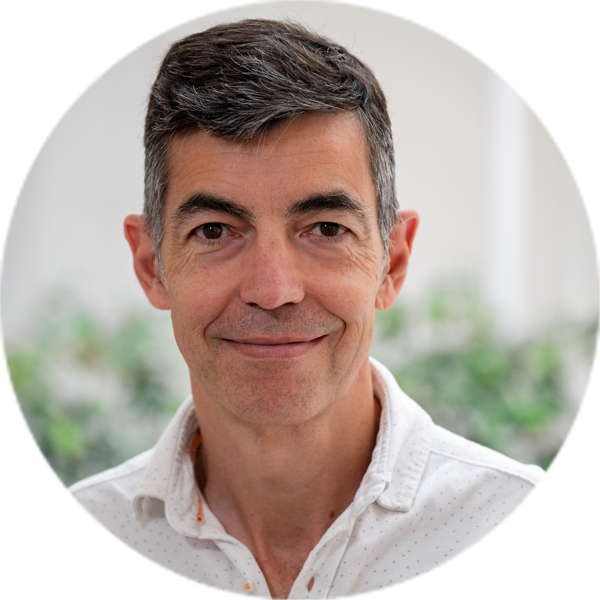
Diego Puga
PhD in Economics, London School of Economics
Professor
Fields: Urban Economics, Applied Microeconomics
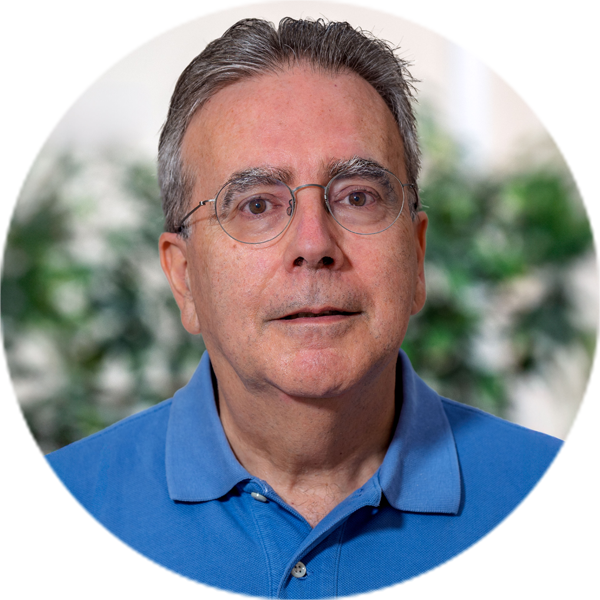
Enrique Sentana
PhD in Economics, London School of Economics
Professor
Fields: Time-series Econometrics, Financial Econometrics
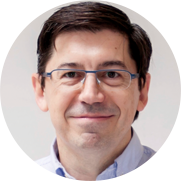
Javier Suarez
PhD in Economics, Universidad Carlos III de Madrid
Professor
Fields: Corporate Finance, Banking

Liyang Sun
PhD in Economics, Massachusetts Institute of Technology
Associate Professor
On Leave
Fields: Econometrics, Public Economics

Tom Zohar
PhD in Economics, Stanford university
Associate Professor
Fields: Labor Economics, Public Economics
Postdoctoral Researchers

Ozgen Kiribrahim
PhD in Economics, Arizona State University
Postdoctoral Fellow
Fields: Environmental Economics, Energy Economics

Paula Navarro
PhD in Economics, Norwegian School of Economics
Postdoctoral Fellow
Fields: Industrial Organization, Environmental Economics

Pascuel Plotkin
PhD in Economics, University of British Columbia
Postdoctoral Fellow
Fields: Labor Economics, Development Economics

Andrea Sy
PhD in Economics, Universitat Pompeu Fabra
Postdoctoral Researcher
Fields: Macroeconomics, Corporate Finance
Research Associates
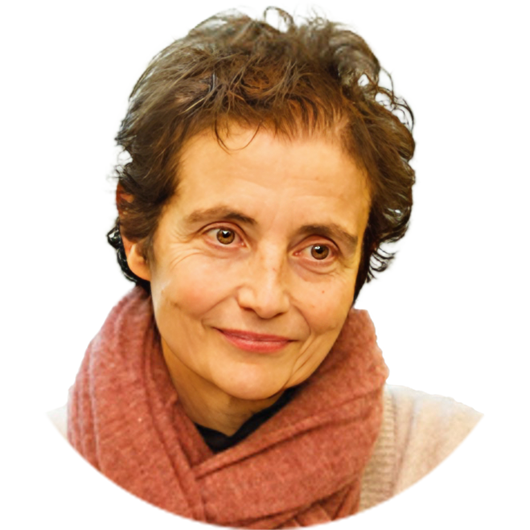
Olympia Bover
PhD in Economics, London School of Economics
Senior Research Associate
Fields: Macroeconomics, Applied Microeconomics
Luis Servén
PhD in Economics, Massachusetts Institute of Technology
Senior Research Associate
Fields: International Finance, Macroeconomics
Associated Faculty

Edoardo Acabbi
Phd in Business Economics, Harvard University
Universidad Carlos III de Madrid
Associated Faculty

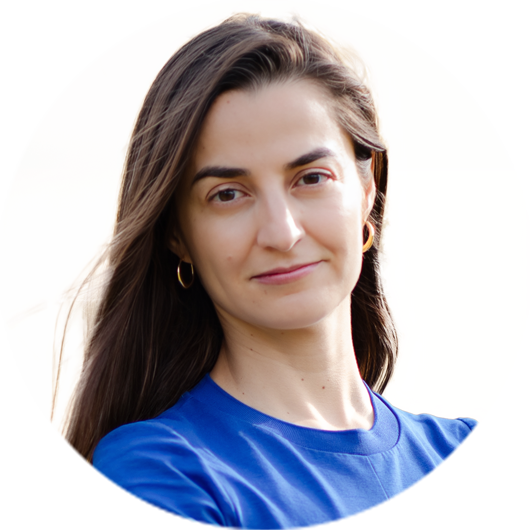


Yarine Fawaz
PhD in Economics, Paris School of Economics
Universidad Autónoma de Madrid
Associated Faculty

Miquel-Àngel Garcia López
PhD in Economics, Universitat Autònoma de Barcelona
Universitat Autònoma de Barcelona
Associated Faculty

Pau Roldan-Blanco
PhD in Economics, New York University
Universitat Autònoma de Barcelona
Associated Faculty
BdE-CEMFI Research Associates

Henrique Basso
PhD in Economics, Birkbeck, University of London
BdE-CEMFI Research Associate
Fields: Macroeconomics, Monetary Economics

Beatriz González López
PhD in Economics, Universidad Carlos III de Madrid
BdE-CEMFI Research Associate
Fields: Macroeconomics, Macroeconomics
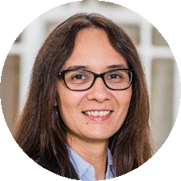
Maria Teresa Gonzalez Perez
PhD in Economics, Universidad Complutense de Madrid
BdE-CEMFI Research Associate
Fields: Asset Pricing, Macro-Finance

Laura Hospido
PhD in Economics, CEMFI and Universidad de Santiago de Compostela
BdE-CEMFI Research Associate
Fields: Gender Economics, Labor Economics
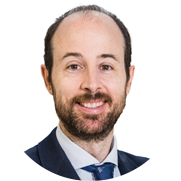
Galo Nuño
PhD in Electrical Engineering, Universidad Politécnica de Madrid
BdE-CEMFI Research Associate
Fields: Monetary Economics, Macro-Finance
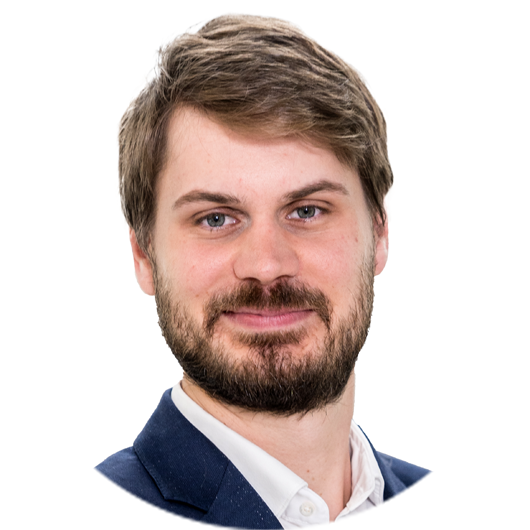
Florens Odendahl
PhD in Economics, Universitat Pompeu Fabra
BdE-CEMFI Research Associate
Fields: Macroeconomics, Time-series Econometrics
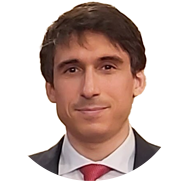
Carlos Sanz
PhD in Economics, Princeton University
BdE-CEMFI Research Associate
Fields: Political Economy, Applied Microeconomics
Other Researchers

Isabella Della Sala
BSc Mathematics, University of Glasgow
Research Associate
Fields: Macroeconomics, Labor Economics

Javier Alonso
MSc in Quantitative Economics Analysis, Universidad Autónoma de Madrid
Pre-Doc Research Assistant
Fields: Urban Economics, Applied Microeconomics

Lorenzo Cattabriga
MSc in Economic and Social Sciences , Bocconi University
Pre-Doc Research Assistant
Fields: Industrial Organization, Applied Microeconomics
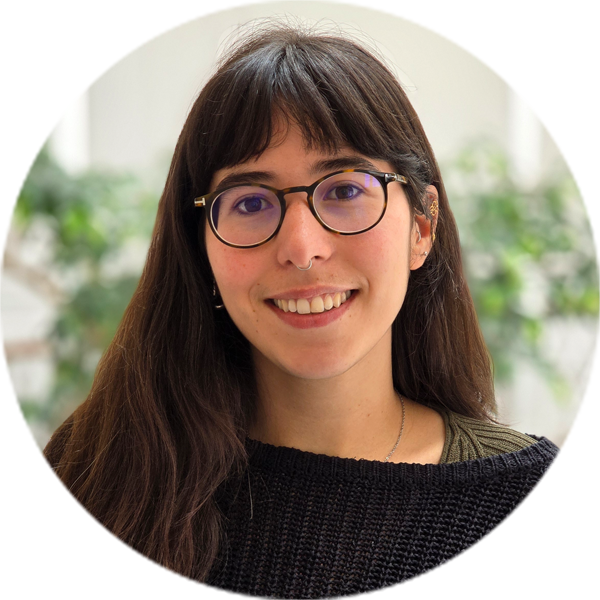
Sabina de la Cal
MSc in Economic Analysis, Universidad Carlos III de Madrid
Pre-Doc Research Assistant
Fields: Applied Microeconomics, Urban Economics
Ana García Hernández
PhD in Economics, Universidade NOVA de Lisboa
J-PAL Research Manager
Fields: Development Economics, Political Economy